

Did you know that the leading cause of adult tooth loss is gum disease? The Centers for Disease Control and Prevention estimates that roughly half of adults over 30 in the United States show signs of periodontal disease. The condition is largely preventable, and with attentive care it can be controlled. At the office of Andrew J Najem, DDS, we provide comprehensive periodontal services designed to preserve gum health and keep your smile functioning and comfortable for years to come.
Gum disease starts quietly. Bacteria in dental plaque accumulate along the gumline and, if left undisturbed, provoke inflammation. That inflammation—gingivitis—is the body's normal response to microbial buildup. With good home care and professional cleanings, gingivitis can usually be reversed.
When plaque hardens into calculus (tartar) beneath the gums, it becomes much harder to remove with brushing alone. Once bacteria migrate into the space between the tooth and gum, pockets form and the inflammatory cycle can accelerate. At this stage the problem is no longer limited to soft tissue: it can begin to affect the bone that supports the teeth.
Because early periodontal disease is often painless, it can progress unnoticed. Regular exams and a prompt response to signs of gum trouble are the most reliable ways to stop disease before it damages the structures that hold your teeth in place.
Healthy gums do more than frame a pleasing smile — they are a barrier that protects deeper oral structures and help maintain overall well-being. Emerging research links uncontrolled periodontal infection with broader health concerns, including effects on cardiovascular health and blood sugar control for people with diabetes.
Keeping inflammation in check inside the mouth reduces the bacterial load and the inflammatory signals that can travel throughout the body. For this reason, periodontal care is an important component of comprehensive health maintenance, not just a cosmetic or comfort issue.
Prevention, early detection, and consistent maintenance appointments are central to preserving both local oral health and the potential systemic benefits that come from controlling chronic oral inflammation.
Gingivitis is the earliest phase of gum disease and is usually reversible with improved oral hygiene and professional intervention. Watch for bleeding during brushing or flossing, persistent redness, swelling, or tenderness — these are common first clues that plaque is irritating the gums.
Other subtle signals can include increased sensitivity, a change in how your bite feels, or new gaps developing between teeth. Bad breath that doesn't respond to routine brushing can also indicate an elevated bacterial presence below the gumline.
If you notice any of these signs, acting promptly helps prevent progression. A focused cleaning and a practical home-care plan often stop disease at this stage, avoiding the need for more intensive procedures.

When gingivitis is left untreated, it can evolve into periodontitis — a condition in which the connective tissues and bone supporting the teeth are damaged. Pocket depths deepen as attachment is lost, and the architecture that stabilizes teeth begins to break down.
As pockets expand, they create sheltered environments where bacteria thrive and are difficult to eliminate with ordinary brushing. Progressive bone loss and gum recession follow, and over time these changes can lead to tooth mobility, drifting, and, ultimately, tooth loss if not addressed.
The primary goals of periodontal care at this stage are to stop disease activity, eliminate reservoirs of infection, and restore or preserve as much healthy tissue as possible so teeth remain stable and functional.

Contemporary periodontal therapy spans conservative, non-surgical approaches and a range of advanced procedures. For many patients, the first line of treatment is targeted debridement — scaling and root planing — combined with individualized home care and scheduled maintenance visits.
In cases where non-surgical measures are insufficient, regenerative techniques and surgical options can rebuild lost support. Bone grafts, soft-tissue grafts, and guided tissue regeneration are tools that help restore form and function. Laser-assisted therapies and localized antimicrobial treatments are additional options that may be appropriate depending on the situation.
A successful outcome depends on combining the right procedures with patient participation in home care and maintenance. When these elements align, it’s possible to halt progression, improve comfort and appearance, and create a sustainable foundation for long-term oral health.
Every treatment plan begins with a thorough evaluation: clinical measurements of pocket depth, assessment of gum recession, radiographs to view bone levels, and a review of medical history and risk factors. This information guides a tailored approach focused on the least invasive, most effective care for your needs.
At our office, we prioritize clear explanations and shared decision-making. We’ll discuss the likely course of action, what to expect from each procedure, and the steps you can take at home to support healing and prevent recurrence. When more specialized care is required, we coordinate closely with trusted colleagues to ensure seamless treatment continuity.
Your maintenance schedule will be customized to your risk profile; some patients require visits every few months, while others are well served by twice-yearly checkups. The aim is to create a practical, sustainable program that protects your gum health long term.
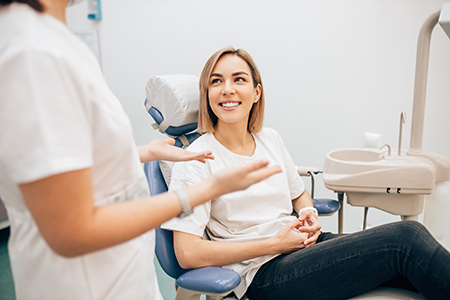
Non-surgical therapy remains the foundation of periodontal treatment for many patients. Scaling and root planing remove plaque and hardened deposits from beneath the gums and smooth root surfaces so reattachment is more likely to occur.
In selected situations, localized antimicrobials placed under the gumline or short courses of systemic medication can help reduce the bacterial load and support healing. The goal is to reduce pocket depth and inflammation to a level that can be managed with routine maintenance.
When non-surgical approaches are effective, they spare patients surgical intervention and still achieve stable, healthy gum tissue — provided maintenance and oral hygiene remain consistent.
When disease has advanced beyond the reach of conservative care, surgical procedures are used to access and thoroughly clean deep pockets, recontour tissues, and repair or regenerate lost structures. Flap surgery (pocket reduction) is one common example that allows direct access to the root surfaces and underlying bone.
Other restorative procedures include bone grafting, soft-tissue grafts to address recession, and regenerative techniques aimed at restoring lost attachment. In some cases, laser therapy is used as an adjunct to conventional surgery to improve precision and reduce recovery time.
The overall objectives of surgical periodontal care are to eliminate infection, reduce pocket depth to make daily cleaning practical, and restore a stable environment that preserves teeth and support structures for the long term.
Remove subgingival bacteria and calculus from root surfaces
Arrest bone loss and, when possible, recontour or regenerate damaged hard tissues
Shallow pockets so the teeth and gums can be cleaned more effectively at home
Periodontal disease is a common but manageable condition when detected early and treated consistently. Our approach combines proven clinical techniques with modern technology and patient-centered care to protect your oral health and preserve natural teeth whenever possible.
If you’d like to learn more about periodontal treatment options or to discuss a personalized plan for maintaining healthy gums, please contact us for additional information.
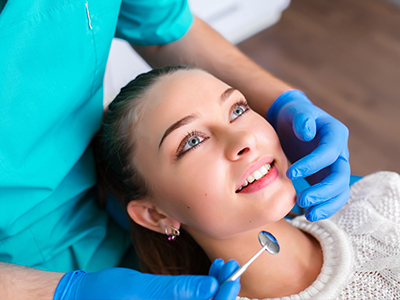

Most people don’t realize that periodontal disease is the leading cause of tooth loss among adults. According to statistics from the Centers for Disease Control and Prevention, one out of every two adults over the age of 30 in the United States has periodontal disease.
You may be surprised to learn that the human mouth is home to a wide variety of microbes. The fact is that over 700 different strains of bacteria have been detected in the oral cavity. Although some of these bacteria are beneficial, others are harmful to oral health. Without proper oral hygiene and routine dental care, these harmful bacteria can cause tooth decay and gum disease, compromising both your oral health and overall wellbeing.
In addition to inadequate oral hygiene and infrequent professional care, other factors, including smoking, genetic tendencies, and unchecked diabetes, can contribute to the escalation of periodontal disease.
Your gums and teeth have an interdependent relationship, which means healthy teeth depend on the support of healthy gums. Also, taking care of your smile does more than keep your teeth and gums in optimal condition; good oral health also supports systemic health. In addition to being the leading cause of tooth loss in adults, researchers are finding more and more links between periodontal disease and a number of medical problems, including heart disease, stroke, diabetes, respiratory problems, and adverse pregnancy outcomes such as pre-term and low birth-weight babies.
If you notice that your gums are bleeding with the slightest pressure while brushing or flossing, it’s a sign of gingivitis. Although gingivitis is the earliest stage of gum disease, it can easily be reversed with deeper cleanings as well as an improved regimen of oral hygiene at home.
In the absence of professional treatment and better home care, gingivitis progresses to the next stage, which is known as periodontitis. In this stage, the connective tissue and bone that hold the teeth in place begin to break down with an increase in pocketing between the teeth and bone, gum recession, and bone loss. Without proper treatment by your dentist, periodontitis will progress from a mild to moderate loss of supporting tissue to the destruction of the bone around the teeth.
Although gingivitis can often be reversed with improved oral hygiene and professional cleanings, as periodontal disease advances, more extensive procedures are required to halt its progression. Based on a complete assessment of your periodontal health and a review of possible contributing factors, our office will recommend the best options in care. Treatment for periodontitis may include a series of deeper cleanings known as root planing and scaling, surgical procedures to reduce pocket depth, bone or tissue grafts, laser procedures, or antimicrobial medications.
The cost of care depends on the type of procedures required to restore your periodontal health. If you have dental insurance, plans often cover treatment to prevent gum disease as well as many procedures to treat the various stages of gum disease. Our goal is to help patients restore and maintain good oral health. We do all we can to help you begin care without additional stress or delay. Our business office works with you to maximize your benefits and provide easier, more convenient payment options.
By seeing our office regularly for care and doing your best to eat a healthy diet and practice good oral hygiene, you can keep your smile in tip-top shape as well as protect your overall wellbeing.
At the office of Andrew J Najem, DDS, we provide a comprehensive range of services to address all your oral healthcare needs. You can rest assured that your smile is in the best of hands at our office. Our skilled and experienced team maintains a position at the forefront of advances in care and remains dedicated to providing the highest quality of skilled and compassionate treatment.

Whether it's a first visit or your fiftieth, Andrew J Najem, DDS is ready when you are.
Reach our Tustin office directly! Give us a call and we will help you find a time that works.