

At the office of Andrew J Najem, DDS, we believe childhood is the ideal time to build confident, healthy smiles. Our pediatric dentistry approach blends gentle clinical skill with practical guidance for families so kids learn lifelong habits and feel comfortable at the dentist from an early age.
We focus on prevention, clear communication, and developmental monitoring so each child receives care that matches their stage of growth. Whether you’re scheduling a first visit or managing an ongoing treatment plan, our team aims to make every appointment calm, informative, and tailored to your child’s needs.

Early dental visits do more than check for cavities — they set expectations, teach basic hygiene, and help children associate the dental office with safety and support. Our team focuses on age-appropriate explanations and hands-on demonstrations so kids actually understand brushing and flossing instead of just being told to do them.
We encourage parents to view oral care as a team effort. Practical tips — such as supervised brushing, using a pea-sized amount of fluoride toothpaste when appropriate, and making tooth care a predictable part of morning and evening routines — produce measurable improvements in oral health over time. Small, consistent habits win the long game.
Prevention also includes behavior and habit counseling. We discuss topics like pacifier use, thumb-sucking, bottle habits, and how certain nighttime routines can influence dental development. These conversations are framed with clear, actionable steps so families leave with a plan they can follow at home.
Routine exams are designed to be thorough without being overwhelming. During a typical visit we review your child's health history, perform a gentle oral exam, evaluate tooth eruption and bite development, and clean the teeth with instruments suited for small mouths. Each step is explained to you and your child in plain language so everyone knows what to expect.
We use modern digital radiography selectively to see areas that can’t be assessed visually. These images help us detect early decay, assess the position of unerupted teeth, and monitor jaw growth — important when planning future care such as space maintenance or orthodontic evaluation. Digital tools reduce exposure and speed diagnosis.
Professional cleanings remove plaque and surface deposits that are hard to eliminate at home, especially in deep grooves on back teeth. After cleaning we offer age-appropriate coaching on brushing and flossing technique and give dietary recommendations that support healthy enamel and gum development.

Tooth decay is common but largely preventable. We emphasize a combination of daily care, smart nutrition choices, and in-office measures that strengthen enamel and block decay-prone grooves. For many children, periodic fluoride varnish and the placement of dental sealants on newly erupted molars significantly reduce the risk of cavities.
We also discuss how sugary drinks, frequent snacking, and prolonged bottle use can increase decay risk. Making simple swaps — water instead of juice between meals, structured snack times, and avoiding bottles at bedtime — helps protect baby teeth and sets the stage for healthier permanent teeth.
When cavities are identified, treatment options are selected to preserve tooth structure and keep children comfortable. Our team explains recommended approaches in clear terms, with a focus on preventing repeat problems and maintaining oral function while supporting a positive dental experience for young patients.
Start dental visits early to build familiarity and trust.
Use age-appropriate toothbrushes and supervise brushing until children can demonstrate consistent technique.
Limit sugary snacks and replace frequent sugary beverages with water to reduce cavity risk.
Keep routine checkups so developing issues are noticed and managed early.
Model good oral habits — children imitate the adults around them.
Discuss pacifier and thumb-sucking habits; we can provide guidance for gentle habit transition when needed.
Use a properly fitted mouthguard for contact sports to prevent dental injuries.

Primary teeth begin forming before birth and often start to appear within the first year. Because these early teeth guide speech, chewing, and the position of future permanent teeth, they deserve proactive attention. We recommend a first dental visit around the time of the first birthday so parents can learn best practices early on.
Cleaning a baby's gums and new teeth can be simple and effective: a soft cloth or an infant toothbrush can remove plaque and introduce the child to the sensation of oral care. As more teeth emerge, parents should transition to a soft-bristled brush with a rice-grain to pea-sized amount of toothpaste, depending on age and swallowing control.
Teething can be a trying time for both infants and caregivers. Safe comfort measures — chilled teething rings, gentle gum massage, and distraction — often help. If concerns arise, our office is available to advise on comfort strategies and to check that tooth eruption is progressing normally.
Pediatric dentistry extends beyond cavity prevention to include monitoring facial growth, jaw relationships, and the alignment of developing teeth. Early identification of bite problems or space issues allows for timely consultations and interventions that can simplify or shorten future orthodontic care.
We evaluate when space maintainers, interceptive orthodontic guidance, or referrals to specialists are appropriate. Our goal is to provide coordinated, practical recommendations that prioritize function, airway health, and long-term stability rather than routine or unnecessary treatment.
For active children, protective strategies like custom mouthguards reduce the chance of traumatic dental injuries. And when emergencies happen — chipped teeth, avulsed (knocked-out) teeth, or sudden pain — having a plan and prompt professional care can make a significant difference in outcomes.
A balanced diet rich in calcium, phosphorus, and vitamins supports enamel strength and overall growth. Whole foods, dairy or fortified alternatives, and water as the primary drink help both oral health and general well-being. We provide practical, family-friendly suggestions that fit into busy schedules and picky-eater realities.
Reducing sticky, sugary snacks and choosing tooth-friendlier options can limit acid attacks on enamel throughout the day. We help parents identify realistic swaps and strategies — for example, pairing snacks with water or encouraging crunchy fruits and vegetables that promote natural cleaning of the teeth between meals.
In short, pediatric dental care is about prevention, clear communication, and attentive growth monitoring so children develop strong, confident smiles. If you have questions about pediatric visits, developmental milestones, or protecting your child’s teeth, please contact us for more information.


A pedodontist is a dentist who has received advanced specialty training in meeting the dental needs of children from infancy to adolescence. Pedodontists, also referred to as "pediatric dentists," study child psychology, behavior management, caring for children with special needs, methods of handling oral/facial trauma, and various techniques for providing anesthesia and sedation. Pedodontists also understand the complexities of facial growth and development and have the clinical skills required to meet the dental needs of all children at every stage of development. Most of all, pedodontists are passionate about what they do and enjoy working with children. They strive to make every dental experience a positive one as they help children establish a strong foundation for good oral health.
Even before your child is born, their first set of teeth is already forming. In fact, by one year of age, some of your baby's front teeth will have already come into place. While the arrival of your baby's first teeth is only one of many developmental milestones, it represents an excellent time to begin a program of oral care. According to recommendations from the American Dental Association, babies should see the dentist around the time of their first birthdays.
Your baby's first teeth typically begin to appear in the 6 to 12-month range. While this is an extraordinary milestone, you need to be aware that your baby may find the experience a little bit uncomfortable. Teething can make babies feel irritable. They may be fussy, have trouble sleeping, not want to eat, and drool quite a bit.
Although you are powerless to speed up the process of teething, there are a few things that you can do to soothe your baby as the new teeth are erupting into place. Common approaches to helping your baby feel more comfortable while getting new teeth, include teething rings or a cold spoon or moist gauze rubbed over their gums.
Even for these few new teeth, it's absolutely essential to establish an effective regimen of oral care. For information on when your baby's first set of teeth will erupt into place, consult this timeline from the American Dental Association: Eruption Charts
Some children persist in sucking their thumbs or fingers beyond their preschool years. For these children, the activity continues to be a source of comfort, relaxation, and security. It may even help them fall asleep at night. However, it's essential to be aware that in the long-term, a finger sucking habit is not healthy.
If your child's thumb or finger sucking habit is still present when the permanent teeth begin to come in, your child is at a higher risk of developing a bad bite. By the age of five or six years, you need to constructively and gently help your child stop the habit.
It's also a good idea to have a comprehensive evaluation at this time. Your pedodontist can assess if there are any habit related alterations to the alignment of your child's teeth or jaws, or if it is affecting their speech or swallowing patterns. They can also discuss habit control strategies with you, as well as follow your child's bite and facial development as they grow. If interceptive appliances or corrective orthodontic care are recommended, the timetable and best options in care will be explained in complete detail.
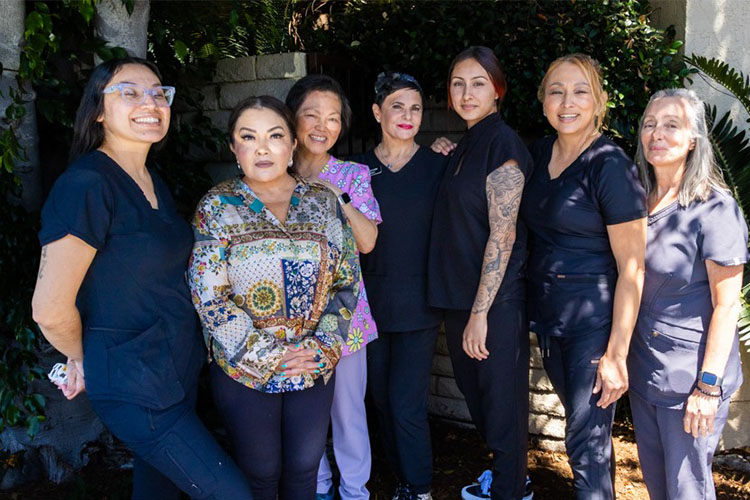
Whether it's a first visit or your fiftieth, Andrew J Najem, DDS is ready when you are.
Reach our Tustin office directly! Give us a call and we will help you find a time that works.