

Invisalign® offers a modern alternative to traditional braces: a series of custom, clear aligners that gently guide teeth into place without drawing attention. For many adults and adolescents, the appeal is simple — treatment that fits into everyday life, backed by precise digital planning and clinical oversight.
Clear aligners are designed to correct a wide range of alignment issues while minimizing the visual and practical disruptions of orthodontic treatment. Because aligners are removable, patients retain normal eating habits and oral hygiene routines, which can improve comfort and long-term oral health during treatment.
Unlike fixed appliances, aligners rely on a programmed sequence of trays to move teeth incrementally. Each tray is slightly different, and the small, controlled shifts add up to significant changes over the course of treatment. This staged approach helps clinicians map predictable tooth movement and adjust the plan as needed.
Patients often appreciate the confidence that comes with a discreet appliance. The near-invisibility of the trays makes Invisalign® a popular option for professionals, parents, and anyone who prefers a lower-profile solution for cosmetic and functional improvements.
Treatment begins with a comprehensive evaluation and a precise digital record of your teeth. In-office scans capture 3-D images that are used to create a virtual model of your mouth. From that model, clinicians can visualize each step of the tooth movements required to reach the desired outcome.
Advanced software translates the clinical plan into a series of custom aligners. Because the plan is designed virtually, patients can review a clear preview of expected progress before any trays are produced. This visualization helps set realistic expectations and allows for clinician-guided refinements to the treatment strategy.
Digital workflows also improve communication and documentation. The 3-D record serves as a consistent reference during follow-up visits, enabling your clinician to monitor progress and make small course corrections without interrupting the overall treatment trajectory.
Once your aligners arrive, the routine is straightforward: wear them for the majority of the day and swap to the next set in the series according to your clinician’s instructions. Most patients remove aligners only to eat, drink (anything other than water), and complete oral hygiene, returning them promptly to maintain steady progress.
Maintaining good oral hygiene is easier with removable aligners. Brushing and flossing between sets helps reduce plaque build-up and supports healthier gums throughout treatment. Aligners themselves require regular cleaning to keep them clear and comfortable.
Compliance is the primary factor in timely results. The more consistently the aligners are worn, the more accurately the planned movements occur. Regular check-ins with your clinician allow adjustments and ensure treatment stays on track.
Clear aligners handle a broad range of alignment concerns, from mild crowding and spacing to certain bite discrepancies. Their versatility makes them suitable for many adult and adolescent patients who seek both cosmetic improvement and functional correction.
Because movement is planned and incremental, aligners can offer precise control over many tooth movements when combined with attachments or auxiliaries as needed. Clinicians tailor each plan to address specific goals, whether that means creating space, closing gaps, or aligning one or several teeth for better occlusion.
For complex skeletal issues or cases requiring extensive vertical or rotational changes, aligners may be used in conjunction with other restorative or orthodontic techniques. Your clinician will recommend the most effective path to a healthy, stable result based on a complete clinical exam.
The typical Invisalign® process at our office begins with a focused consultation: a clinical exam, digital records, and an open conversation about your goals. This step establishes the clinical baseline and lets your clinician recommend a treatment approach that aligns with your needs.
After scanning and planning, you’ll receive a customized sequence of aligners along with clear instructions for wear and care. Periodic visits allow the clinician to evaluate progress, exchange aligner sets when necessary, and refine the plan if small adjustments are required.
Treatment timelines vary by case, but the collaborative nature of the process — clinician guidance plus patient adherence — is what produces consistent, predictable outcomes. Throughout, the clinician’s role is to combine technical expertise with practical, patient-centered care.

Your clinician performs a thorough evaluation to determine whether aligners are an appropriate choice. This visit focuses on oral health, identifying alignment goals, and discussing what to expect from treatment.

A rapid, comfortable digital scan captures the details your clinician needs to design a personalized treatment plan and to show a preview of projected changes over time.
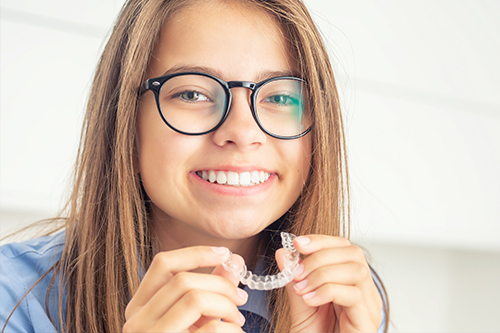
Each aligner is manufactured to match the planned stages of movement. Materials and fit are selected to provide consistent, comfortable wear as teeth shift in small, controlled increments.

Regular check-ins let your clinician verify progress and make minor adjustments if needed. Once the planned movements are complete, retention strategies help preserve the new alignment.
Contemporary aligner therapy rests on reproducible digital records, validated materials, and clinician oversight to deliver safe, effective results.
Peer-reviewed research and clinical experience guide treatment protocols, attachment design, and recommended wear schedules. These standards help clinicians predictably translate digital plans into real-world outcomes that respect both form and function.
When selecting an aligner system, clinicians evaluate the evidence behind materials and software, the ability to handle specific tooth movements, and the system’s track record for reproducibility. Those factors inform treatment decisions and ultimately support patient-centered care.
Invisalign® aligners are custom-made for each patient and intended to be used under the supervision of a trained clinician. If you’d like to learn more about how clear aligners could address your concerns or to discuss a personalized treatment plan, please contact our office for more information and to schedule a consultation.
*Invisalign® is a registered trademark of Align Technology, Inc.
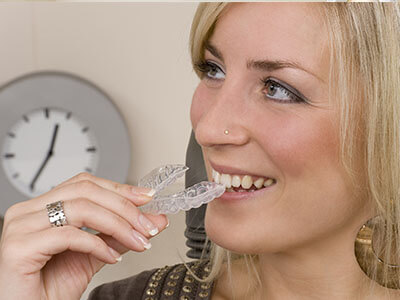

There are many options for patients who want to avoid metal braces! The most popular alternative orthodontic treatment is Invisalign®, which are clear plastic aligners designed to straighten teeth. After an examination of your teeth, your dentist will determine which option is best suited to your wants and needs.
According to the Invisalign® website, the cost for treatment is approximately the same as the cost for metal braces. A portion of this cost may be covered by your insurance. Please call us to set up a consultation and discuss potential payment plan options.
The first step is to schedule a consultation with your doctor, so they can devise a treatment plan that is best suited to your individual dental needs. Once approved, you will receive your first set of aligners. Your doctor will then regularly monitor the movement of your teeth and new aligners will be ordered according to the progress made in your treatment plan.
Invisalign® aligners are made of clear, flexible plastic. The company received a patent for this material – SmartTrack® – to be used exclusively for Invisalign treatment purposes. These aligners are FDA approved and nearly invisible!
Your doctor will give you an estimate regarding how long your Invisalign® treatment should take, which will depend on your specific needs. The average length of time for treatment is approximately 12-18 months. However, some patients may see results far sooner. Remember to wear your aligners exactly as instructed by your doctor to obtain the best results.
Your doctor will most likely recommend that you wear retainers following your Invisalign® treatment. This is a precaution that will prevent your teeth from shifting back to their original positioning. It is important to follow your doctor's instructions exactly to ensure long-lasting results.
You must wear your aligners for up to 22 hours daily. You may remove them for eating, drinking and regular oral hygiene.
No. Unlike braces, you may eat whatever you like as long as you remove the aligners before eating. Prior to placing the aligners back on, it is important to brush your teeth and the aligners after you eat.
Like any orthodontic treatment, there is a short adjustment period. The more you speak with the aligners on, the quicker you will adjust.
There will be some pressure and minor discomfort for a day or two after each initial insertion. This is a sign that your teeth are moving sequentially into their final position.
It is recommended that you remove your aligners prior to chewing gum as the gum will stick to the aligners.
We discourage smoking with aligners as the cigarette smoke will tend to discolor them.
Brushing them with toothpaste will keep them fresh and clean.
Regular office visits are every five to six weeks. This will ensure that your Invisalign treatment is progressing as planned.
All orthodontic patients are instructed to wear their retainers at night indefinitely. Sleeping with your retainers in at night will ensure a healthy bite and maintain the new position of your teeth.
Yes, if their teeth, including second molars, have grown in completely.
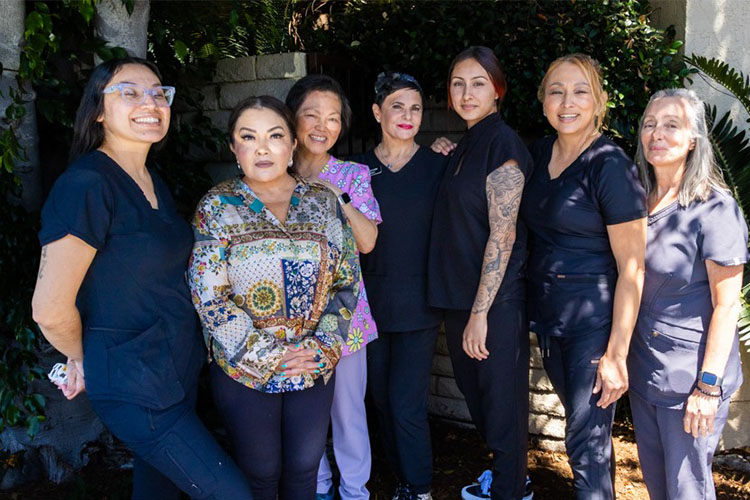
Whether it's a first visit or your fiftieth, Andrew J Najem, DDS is ready when you are.
Reach our Tustin office directly! Give us a call and we will help you find a time that works.